0451 057 555
Enviro Pest Control Logo
Categories
Rats Pest Control

Rats vs Mice: 6 Signs to Identify Which Rodent Is in Your Perth Home

Finding a rodent inside a home is always a nightmare and ghastly. We jump to find emergency pest control solutions from professionals. But before choosing a treatment, it helps to know whether we are dealing with a rat or a mouse. 


We use the names interchangeably but the two pests look different, behave differently and can enter our home through different routes.


Rats and mice can both contaminate food, damage property and leave droppings around the house. Knowing the signs can help us take the right action. Professional rat pest control Perth services can also identify the type of rodent and determine where it is coming from.


Here we are detailing for you how to tell the difference between a mouse and a rat infestation.


  • Rat or Mouse? Start With Their Size

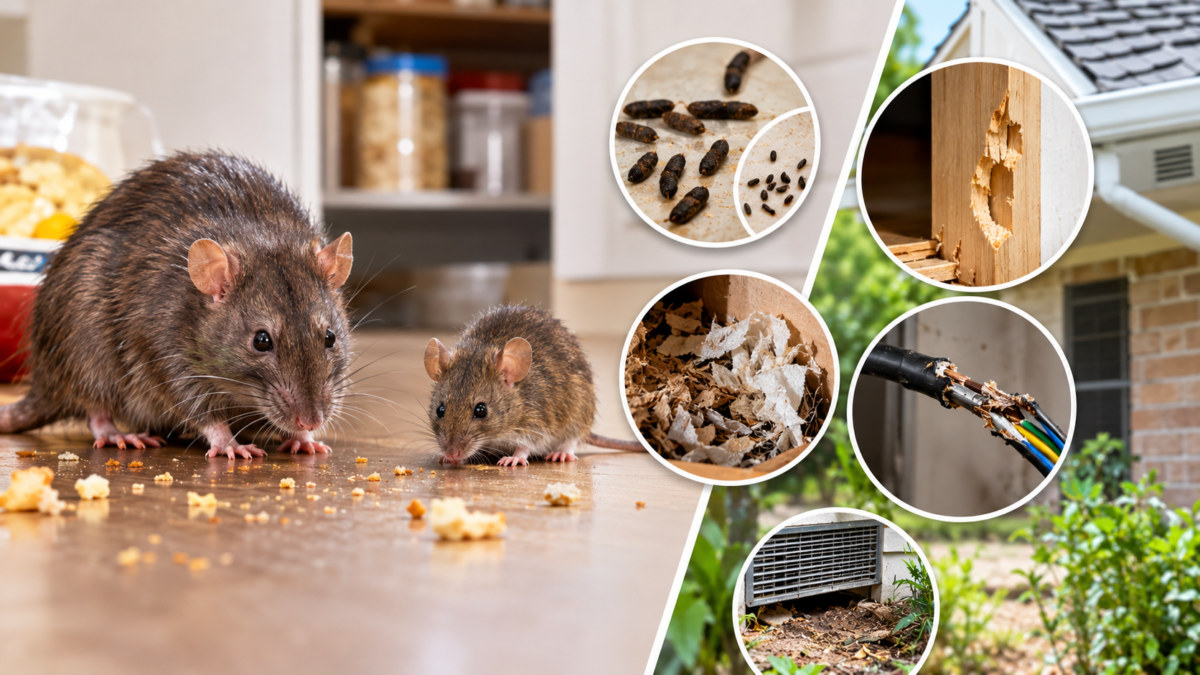
Size is one of the easiest ways to tell rats and mice apart. Adult rats are much larger and heavier than mice. 


Their bodies are usually thick, with larger heads and feet. Mice have smaller, slimmer bodies and more delicate features.


A rat may also leave larger droppings and gnaw marks than a mouse. However, size can vary between species and ages, so do not rely on size alone.


If you see the animal briefly, look at its overall body shape, tail and head rather than trying to judge its exact size.


  • Look at the droppings

Ewww! Yes, we understand your disgust. Rodent droppings are one of the most useful signs to look for in any possible rodent infestation situation.


Rat droppings are generally larger and thicker. They may have blunt or slightly pointed ends depending on the species. Mouse droppings are much smaller and are often shaped like tiny grains of rice.


One may find droppings:


  • Inside kitchen cupboards
  • Behind appliances
  • Along walls
  • Near food storage areas
  • Under sinks
  • In garages and sheds
  • Around bins or stored materials


Fresh droppings may indicate current rodent activity. Finding them regularly means your properly is already infested.


  • Check the Damage and Gnaw Marks

Both rats and mice have strong front teeth that continue growing. They need to gnaw regularly, which can result in damage around a home.


Look for gnaw marks on:


  • Food packaging
  • Wooden items
  • Plastic containers
  • Electrical cables
  • Insulation
  • Stored materials


Rats can cause more noticeable damage because of their larger size and stronger bite. However, mice can also chew through materials and damage electrical wiring.


Rodent damage is not just a nuisance. Chewed electrical cables can create a serious property risk.


  • Listen for Noises at Night

Both rats and mice are generally more active at night (nocturnal nuisances!). One may hear scratching, scurrying or movement inside walls, ceilings, cupboards or roof spaces.


A heavier scratching or running sound may suggest rats, while lighter movement may point towards mice. But sound alone cannot confirm which rodent is present.


If one regularly hears movement after dark, check for other signs such as droppings, nesting material and gnaw marks. That would confirm these are rodents, not your imagined negative nightmares!


  • Where Are You Finding the Rodent?

The location can also provide useful clues. Rats are fatter and larger than mice.


Mice can squeeze through very small openings and may move through wall cavities, cupboards and other enclosed spaces. They often stay close to food sources.


Rats can enter through larger gaps and may be found around roof spaces, garages, sheds, drains and outdoor areas. They can also move between the outside environment and the home while searching for food and shelter.


Check around doors, vents, pipes, roof areas and other possible entry points. Rodents often use the same routes repeatedly.


  • Look for Nests and Nesting Material

Rodents need a safe place to rest and raise their young. Now, do not get sentimental about providing them a safe place or your place will no longer be safe!


Mice may build nests using shredded paper, cardboard, insulation, fabric and other soft materials. These nests are often hidden inside cupboards, wall cavities or other sheltered areas.


Rats can also use materials around a property to create nests. Outdoor storage areas, roof spaces, sheds and piles of garden material can provide suitable shelter.


Finding nesting material alongside droppings is a strong indication that rodents are actively using the area.


Why Do Rats and Mice Enter Perth Homes?

Rodents enter homes for three basic reasons: food, water and shelter.


Easy access to rubbish, pet food, food scraps and poorly stored products can attract rodents. Leaking pipes and other water sources can also make a property more suitable.


Outdoor conditions can encourage rodents to look for shelter inside buildings. Cluttered garages, sheds, roof spaces and garden areas can provide additional hiding places.


To make your home less attractive to rodents:


  • Store food in sealed containers.
  • Keep rubbish bins closed.
  • Clean food spills quickly.
  • Do not leave pet food out overnight.
  • Fix leaking taps and pipes.
  • Keep garages and sheds tidy.
  • Remove unnecessary garden clutter.
  • Seal suitable gaps around the property.


These measures can reduce the conditions that attract rodents, but they may not remove an established infestation.


What If You Cannot Tell Whether It Is a Rat or Mouse?

It is not always possible to identify the rodent from one sighting. You may only see a tail disappear behind a cupboard or hear movement inside a wall.


Droppings, gnaw marks, nesting material and entry points can provide more useful evidence.


A professional pest exterminator can inspect the property and identify signs of rodent activity. This is especially useful when you cannot find where the rodents are entering or nesting.


Searching for rodent control services near me can help homeowners find local professionals when the source of the infestation is unclear. Choosing a service that can identify the pest as well as treat it is important.


When Do You Need Rat Removal?

A single sighting does not always tell you how large an infestation is. Repeated sightings, fresh droppings and new damage suggest ongoing activity.


You should consider rat removal in Perth services when:


  • Rats are repeatedly seen inside the property.
  • Droppings continue to appear.
  • You hear regular movement in walls or ceilings.
  • Food packaging is being damaged.
  • You find nesting material.
  • Rodents are entering bedrooms, kitchens or other living areas.
  • You cannot locate their entry point.


Effective rat removal in Perth treatment should address the source of the problem as well as the rodents already inside the property.


When Is Emergency Pest Control Necessary?

Some rodent problems need prompt attention. This can be the case when rats are entering living areas, chewing electrical cables or creating significant contamination around food storage areas.


In these situations, emergency pest control in Perth services may be worth considering, particularly when the problem cannot wait for a routine appointment.


However, not every rodent sighting is an emergency. The right response depends on the level of activity, location and risks involved.


Why Professional Rodent Control Can Help

Rats and mice can be difficult to control once they have established a nesting area.


Professional rat pest control in Perth services can help identify the rodent species, locate signs of activity and determine how the pests are entering the property.


Treatment may involve more than removing the visible rodents. Identifying food sources, nesting areas and access points is important for reducing the chance of the infestation returning.


For homeowners looking for rodent control services near me, it is worth choosing a provider that can inspect the property and recommend treatment based on the signs found.


Conclusion

Rats and mice may both cause problems inside a Perth home, but they are not the same pest. Professionals specialising in rat pest control in Perth can help identify the problem and deal with the source.


Size, droppings, gnaw marks, nesting material, noises and entry points can help you work out which rodent you are dealing with.


Nevertheless, do not rely on a single sign. Look at the evidence around the property and check where the rodents may be getting food, water and shelter.


If the signs point to an active infestation, prompt rat removal in Perth by professional pest exterminators can save your property and you (they cause several diseases!).


FAQs


1. How can I tell if I have rats or mice?

Look at the size of the animal, droppings, gnaw marks and nesting material. Rats are larger and leave larger droppings, while mice are smaller and leave much smaller droppings.


2. Can rats and mice live in the same house?

Yes. A property can have both rats and mice if it provides suitable food, water and shelter. Correct identification is important because their behaviour and access routes can differ.


3. How do rats get into a Perth home?

Rats can enter through gaps around doors, pipes, vents, roofs and other openings. They may also move in from garages, sheds, drains and outdoor areas.


4. When should I call a pest control professional?

Call a professional expert in rat removal in Perth when you see rodents repeatedly, find fresh droppings, notice new gnaw marks or hear regular movement inside walls or ceilings.


5. Is emergency pest control needed for rats?

It may be appropriate when rats are causing immediate problems, such as entering living areas or chewing electrical cables. For less urgent infestations, a standard pest inspection and treatment may be suitable.

Categories
Ant Pest Control

Why Are Ants Invading Your Perth Home? 7 Common Causes

Seeing a few ants in your home may not seem like a serious problem. The problem starts when trails keep appearing in the kitchen, bathroom or living areas. Ants may have found food, water, shelter or an easy way into your home.


Perth homes can attract different types of ants, including brown ants and black ants. The reason for the infestation can also vary. 


Understanding what is attracting them is an important part of effective ant pest control in Perth.


Here are seven common causes of ant problems in and around Perth homes.


1. Food Is Easy to Find

Ants are always looking for food. Kitchens are therefore one of the most common places to find them. Even a small amount of food can encourage ants to keep returning.


Crumbs on the floor, food spills on benches and open packets can attract ants. Sugary foods, fruit, biscuits and drinks are their favourites. Pet food can also become a regular food source.


To reduce food sources:


  • Clean crumbs and spills quickly.
  • Keep food in sealed containers.
  • Wipe kitchen benches after meals.
  • Clean around appliances where food particles can collect.
  • Avoid leaving pet food out for long periods.


Good cleaning habits can help with minor ant activity. They may not be enough when a colony is already established nearby.


2. Moisture Is Attracting Ants

Food is not the only thing ants need. Water can also draw them into a property.


Leaking taps, damp cupboards, dripping pipes and wet areas around bathrooms can create suitable conditions. Outdoor leaks can also increase ant activity around walls and entry points.


Check areas such as:


  • Under kitchen and bathroom sinks
  • Around taps and pipes
  • Near air-conditioning units
  • Around outdoor water sources
  • Damp areas close to walls and foundations


Fix leaks and keep damp areas dry where possible. Removing water sources can make the property less attractive to ants.


However, moisture may only be one part of the problem. If ants continue to return, look for other sources of activity.


3. Small Gaps Give Ants Easy Access

Ants are small and can use tiny gaps to enter a house. Cracks around windows, doors, pipes and walls can provide easy access. They can also reach the outside walls through plants, branches, fences and other surfaces.


Walk around the outside of your home and look for visible ant trails. Check areas around windows, doors, pipes and other openings. Trim plants and branches that touch the building.


Sealing suitable gaps can reduce access, but it will not remove an infestation on its own. When ants are coming from a nearby nest, they may simply find another route.


4. A Nest May Be Close to Your Home

Repeated ant trails often point to a nearby food source or nest.


Ants may nest in soil, garden beds, paving areas, wall spaces and other sheltered locations. They can travel considerable distances while searching for food and water.


Brown ants are common around homes and gardens. When their activity becomes a regular problem, brown ant pest control in Perth may be needed to deal with the infestation rather than just the ants seen indoors.


Look for trails around:


  • Garden beds
  • Paving
  • Retaining walls
  • Tree bases
  • Outdoor walls
  • Cracks around paths and driveways


5. Your Garden May Be Providing Shelter

The condition of your garden can affect ant activity around your home. Overgrown plants, garden waste, piles of leaves and thick mulch can provide shelter.


When these areas are close to the house, ants have an easy route towards doors, windows and walls. This does not mean you need to remove your garden.


Keep garden beds maintained and remove unnecessary garden waste. Trim plants away from the building and check areas around paving and outdoor structures.


The aim is to reduce conditions that make it easier for ants to live and move close to the house.


6. Changes in Weather Can Increase Ant Activity

Weather can change where ants look for food, water and shelter. During hot, dry weather, ants may move in search of water. Heavy rain can disturb nests and cause ants to move into more sheltered areas.


A house can provide protection from extreme weather. It can also offer food and water, making it an attractive place for ants to explore.


If ants disappear after the weather changes, there may be no ongoing infestation. But repeated activity should not be ignored. Regular trails inside the house can indicate that ants have found a reliable route or food source.


7. You May Be Dealing With Termites, Not Ants

The term “white ants” is commonly used for termites. However, termites are not actually ants.


This difference matters because termites can damage timber and require a different approach from ordinary household ants. Surprisingly, they can infest and ruin your walls as well!


Signs of termite activity can include 


  • Damaged timber
  • Hollow-sounding wood
  • Mud tubes
  • Other unusual signs around timber structures


If you suspect termites, white ant treatment in Perth should begin with proper identification and inspection. Ordinary ant treatments can do nothing in termite management.


Do not assume that every small pale insect around your home is a termite. Correct identification is important before deciding on treatment, which necessitates professional intervention.


What About Black Ants?

Black ants can also become a nuisance inside Perth homes. They often enter while searching for food and water.


You may notice them moving along kitchen benches, floors, windows or walls. A clear trail can mean that many ants are using the same route between a food source and their nesting area.


Cleaning the trail and removing food may provide short-term relief. However, ants can return when the source has not been addressed.


For a recurring problem, black ant infestation treatment should focus on the cause of the activity, not only the ants that are visible.


Different ant species can also respond differently to control methods. Identifying the type of ant helps determine the most suitable approach.


How Can You Reduce Ant Problems at Home?

A few practical steps can make your property less attractive to ants:


  • Store food in sealed containers.
  • Clean food spills and crumbs promptly.
  • Keep kitchen surfaces clean.
  • Fix leaking taps and pipes.
  • Keep damp areas dry.
  • Seal suitable gaps around doors and windows.
  • Trim plants away from the building.
  • Remove unnecessary garden waste.
  • Check outdoor areas for ant trails.
  • Avoid leaving pet food out for long periods.


These steps are useful for prevention, but they may not solve an established infestation that requires deeper approaches.


When Should You Consider Professional Ant Control?

Occasional ants do not always mean you have a major infestation. The problem becomes more concerning when ants keep returning or appear in large numbers.


You may need professional help when:


  • Ant trails keep appearing after cleaning.
  • Ants are found in several rooms.
  • Large numbers are entering the house.
  • You cannot find where they are coming from.
  • Ants are nesting around the building.
  • You suspect termites rather than ordinary ants.


Professional ant pest control in Perth can help identify the pest, locate likely sources of activity and select an appropriate treatment.


The goal is not simply to kill the ants that you can see. Finding why they are there and where they are coming from can help provide better long-term solutions, like we at Enviro Pest Control do.


Remember,

Ants can enter a Perth home for several reasons. Effective ant pest control in Perth starts with identifying the pest and understanding what is attracting it to your property.


Food, moisture, shelter, nearby nests and small entry points can all play a part. Keeping your home clean, fixing leaks and maintaining the garden can help prevent ant activity and possible infestations.


Brown ants and black ants may need different treatment approaches. Suspected white ants are termites and should be treated as a separate pest problem. Rely upon professionals for assured results if the problems stay persistent.


FAQs


1. Why are ants suddenly appearing in my Perth home?

Changes in weather, food, moisture or activity around a nearby nest can cause ants to enter a home. Small gaps can also give them easy access.


2. How can I stop ants from entering my house?

Keep food sealed, clean spills quickly, fix leaks and seal suitable gaps around doors and windows. Keep plants and garden waste away from the building where possible.


3. Why do brown ants keep coming back?

There may be a nest, food source or water source nearby. Removing the visible ants may not solve the problem when the colony remains active.


4. Are white ants actually ants?

No. White ants are termites. They are not true ants and can damage timber, so suspected termite activity requires a different treatment approach.


5. When should I get professional ant control?

Consider professional ant pest control in Perth or anywhere you stay when ants keep returning, appear in large numbers or start infesting your place. Professionals can identify the species and source of the infestation that allows deciding on the right treatment.

Call Now Button