0451 057 555
Enviro Pest Control Logo
Categories
Professional Pest Control

Can Professional Bee Removal Specialists in Perth Relocate Bees Without Harming Them?

Can Bee Removal Specialists in Perth Relocate Bees Without Killing Them?

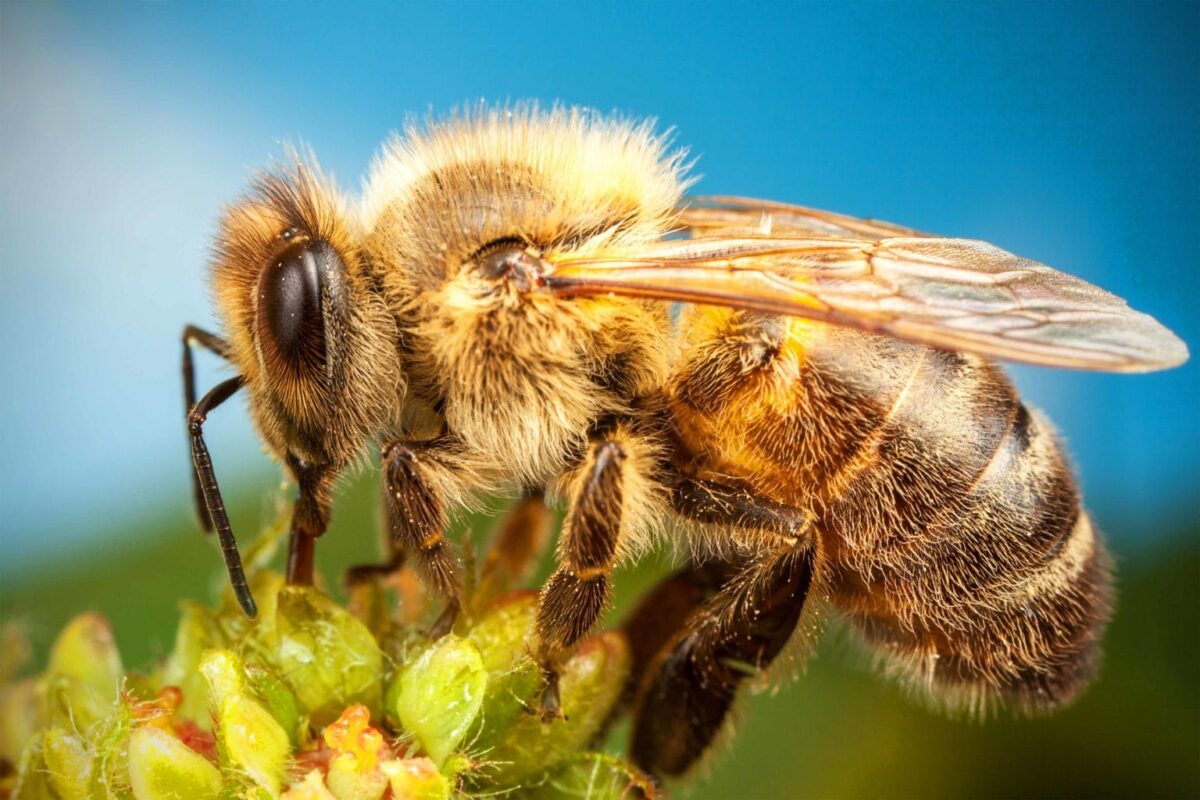
Bees are extremely important to our environment. They pollinate flowers, fruit trees, vegetables and many of the crops we rely on for food. That’s why, at Enviro Pest Control Perth, we believe bees should be saved and relocated wherever it is safe and practical to do so.

We’ve been removing and relocating bees across Perth for more than a decade. Our team has attended hundreds of different situations — from small swarms hanging on tree branches to large, established beehives that have been inside buildings for 10 or even 20 years.

No two bee removal jobs are the same. Sometimes we receive a call about a swarm on a mango tree. Other times bees have entered a barbecue, an underground reticulation box, a roof cavity or the wall of a commercial building. Regardless of the location, our first preference is always to explore live removal and relocation rather than extermination.

Bee Swarms Can Appear Almost Anywhere

People are often surprised by the places bees choose to settle. During our daily work around Perth we’ve encountered swarms and established colonies in:

  • Tree branches and garden shrubs
  • Barbecues and outdoor kitchen areas
  • Underground reticulation and irrigation boxes
  • Roof cavities and wall spaces
  • Garden sheds and garages
  • Compost bins and outdoor furniture
  • Electrical and telecommunications pits
  • Commercial buildings and industrial structures
  • High rooflines and difficult-to-access locations

A swarm hanging from a branch is usually much easier to collect than a colony that has been living inside a wall for several years.

When bees first swarm they often gather temporarily while searching for a permanent nesting site. At this stage they may not have built any honeycomb. If the swarm is accessible we can often collect it using suitable bee-handling equipment and transfer it for relocation.

Once bees move into a roof or wall cavity and begin building comb, the job becomes more complicated.

Removing Large, Established Beehives in Perth

Some of the most challenging jobs involve established hives that have been left undisturbed for many years. We’ve attended properties where customers believe the bees have been living inside a structure for 10, 15 or even 20 years.

These colonies can contain substantial amounts of honeycomb, stored honey, brood and thousands of bees. Removing a large hive isn’t simply a matter of collecting the bees and leaving. We need to assess how the colony is positioned, how we can safely access it, and whether the bees and comb can be removed without causing unnecessary damage to the property.

Sometimes this involves working around roof structures, wall cavities or other difficult areas. For larger jobs, additional access equipment or assistance from appropriately qualified tradespeople may be required.

Our team has experience with residential, commercial and industrial bee removal jobs, including larger and more complicated colonies. We also share videos of our bee removal work so customers can see the different situations we encounter and how these jobs are approached.

Why We Prefer Relocating Bees Instead of Exterminating Them

Bees play a vital role in pollination, agriculture and the wider environment. When a viable honey bee colony can be removed and relocated safely, that option should be considered first.

At Enviro Pest Control Perth, extermination is a last resort — not our preferred approach. There are situations where live removal is not reasonably possible because of accessibility, structural risks, safety concerns or the condition of the colony. However, we do not believe bees should automatically be destroyed simply because they have settled in an inconvenient location.

Our aim is to protect the people using the property while giving the colony the best practical chance of surviving. Responsible relocation also means considering bee health, biosecurity requirements and an appropriate managed destination.

Bee Removal for Residential, Commercial and Industrial Properties

Our bee removal services are not limited to residential houses. We regularly handle commercial buildings, warehouses, workshops, shops, industrial premises and other larger properties.

A small swarm in a backyard requires a different approach from a large established hive high above an industrial building. With an experienced team we can assess a wide range of situations and arrange suitable equipment and personnel.

We encourage customers to send photographs or videos of the bees before we attend. This helps us understand whether we are dealing with a swarm or an established hive, how high the bees are, how accessible the location is, and what may be required. For established colonies the final scope of work may only become clear after a closer inspection.

How Far Do We Travel for Bee Removal Jobs?

Enviro Pest Control Perth covers the Perth metropolitan area and can travel approximately 100 kilometres for suitable bee removal jobs.

Our service area includes northern suburbs such as Yanchep, Two Rocks, Joondalup, Clarkson and Butler, as well as Perth’s central, eastern and southern suburbs including Canning Vale, Fremantle, Rockingham and Mandurah.

For jobs outside our normal service area we may still be able to assist. Additional travel charges may apply depending on distance, access requirements and the nature of the job. We discuss these charges with the customer before confirming the booking.

Whether it’s a swarm in a residential garden or a large hive at an industrial property, customers are welcome to contact us with photographs and details of the location.

What Should You Do If You Find Bees Around Your Property?

If you notice a large number of bees gathering around your home or workplace, the most important thing is not to disturb them.

  • Avoid spraying them with household insecticides.
  • Do not throw water at them or attempt to block their entrance into a roof or wall.
  • Keep children and pets away.
  • Avoid working close to the swarm or hive.

If the bees are entering a building, try to identify the location from a safe distance and take a photograph or short video. This information is very useful when arranging a professional assessment.

It’s also important to understand that removing an established hive usually involves removing honeycomb and other hive materials. Leaving these behind can attract pests or create other problems.

Professional Bee Removal and Relocation Across Perth

For more than a decade, Enviro Pest Control Perth has been helping homeowners, landlords, property managers and businesses deal with bee swarms and established beehives.

From bees hanging on a tree branch to colonies inside barbecues, underground reticulation boxes, roof cavities and large commercial structures, we’ve encountered a wide range of situations. Our team is equipped to assess both straightforward and complex bee removal jobs, including long-established hives.

Our priority is simple: remove the bees safely, protect the property, and relocate viable colonies wherever practical. We believe extermination should only be considered when other reasonable and safe options are unsuitable.

If you’ve discovered bees around your property, contact our team and send us a few photographs or videos. We’ll discuss the situation, explain the likely removal process and provide information about pricing and availability.

Enviro Pest Control Perth
Professional Bee Swarm Removal, Beehive Removal and Live Bee Relocation Services

Call 0451 057 555 or visit www.enviropestcontrol.com.au
View our full bee removal services

Servicing Perth and surrounding areas, with extended travel available for suitable bee removal jobs.
Categories
Professional Pest Control

What Are the Best Ways to Prevent Common Pest Problems in Perth Homes?

Common Pest Problems in Perth – Prevention Guide for Homes and Businesses

Pest problems affect almost every property owner in Perth at some stage. Whether you own a family home, investment property, café, restaurant, warehouse or commercial building, pests can cause damage, create hygiene issues and become expensive if left untreated.

At Enviro Pest Control Perth we have spent more than a decade helping customers across Perth — from Yanchep in the north to Mandurah in the south. Many infestations start with simple, preventable issues: overhanging branches, leaking taps, food left outside, cluttered garages or small gaps around buildings.

Understanding what attracts pests and recognising the early warning signs makes a big difference. Below are the most common pest problems we see during daily inspections and the practical steps you can take to help prevent them.

1. Rats and Mice – One of Perth’s Most Common Pest Problems

Rodents are among the pests we deal with most often in Perth homes, restaurants, cafés and commercial properties.

Rats are excellent climbers. They travel along fence lines, climb brick walls, use tree branches to reach roof spaces and can jump considerable distances. One of the biggest concerns is how quickly they reproduce.

Why do rats enter Perth roofs?
Most Perth homes have roof cavities with insulation, timber framing and sheltered spaces. Rats use insulation for nesting and then leave the roof at night to search for food and water.

Common attractions include:

  • Olive trees and fallen olives
  • Palm fruit and seeds
  • Snails and small food sources
  • Vegetable gardens and fallen produce
  • Dog and cat food left outside
  • Birdseed and chicken feed
  • Open rubbish bins
  • Compost and food scraps

Even if your own backyard is clean, rats can travel along fences and through neighbouring properties.

Mice commonly appear in kitchens, garages, sheds, storerooms and wall cavities. They can squeeze through openings as small as 6–7 mm and reproduce rapidly when food and shelter are available.

How to prevent rats and mice

  • Trim tree branches away from rooflines (ideally 1–1.5 metres where practical).
  • Inspect roof tiles, eaves, vents and external walls for possible entry points.
  • Avoid leaving pet food outside overnight.
  • Remove fallen fruit and maintain vegetable gardens.
  • Store food, animal feed and rubbish in sealed containers.
  • Watch for droppings, chewed packaging, damaged wiring and scratching noises.

If you notice these signs, arrange a professional rodent inspection. Rodents can damage insulation, electrical wiring and stored belongings.

Enviro Pest Control Perth provides customised rat and mice control treatments, including tamper-resistant bait stations and follow-up monitoring. Learn more about our rodent control services.

2. Termites – A Serious Threat to Perth Properties

Termites are among the most financially damaging pests affecting Australian properties. Many Perth homes contain timber roof framing, wall structures, flooring or other cellulose-based materials that termites can attack.

They can remain concealed for long periods, sometimes causing substantial damage before anything unusual is noticed. Repair costs can run into thousands or tens of thousands of dollars.

Warning signs of termites

  • Mud tubes along foundations or walls
  • Hollow-sounding or damaged timber
  • Unusual changes in door or window operation
  • Damaged skirting boards
  • Winged termite swarmers
  • Suspicious timber damage in sheds, fences or garden structures

How to reduce termite risks

  • Keep firewood and timber stacks off the ground and away from the building.
  • Avoid timber-to-soil contact around the house.
  • Repair leaking taps and drainage issues.
  • Keep accessible termite inspection areas clear.
  • Arrange regular professional termite inspections, especially if the property has previous activity or higher-risk conditions.

Important: If you discover suspected termite activity, avoid disturbing the area or applying supermarket insect sprays. Contact Enviro Pest Control Perth for a professional termite inspection and advice on suitable treatment options. View our termite treatment services.

3. Cockroaches – Common in Perth Homes, Cafés and Restaurants

Common types we encounter include:

  • German cockroaches (small, light-brown, often in kitchens and around appliances)
  • American cockroaches (larger, reddish-brown, capable of flying)
  • Oriental cockroaches (dark-coloured, often near drains and damp outdoor areas)

Cockroaches are a particular concern in food businesses because they can contaminate food and surfaces. Even a single sighting (especially of a German cockroach) deserves attention.

Cockroach prevention tips

  • Keep kitchens, bathrooms and laundries clean.
  • Repair leaking taps and plumbing.
  • Remove grease and food residue from behind appliances.
  • Store food in sealed containers.
  • Remove cardboard boxes and unnecessary clutter.
  • Keep garage items on shelving rather than on the floor.
  • Sweep or vacuum garages regularly.
  • Clear dead leaves and maintain gardens.

Cockroaches thrive where food, moisture, warmth and shelter are available. For recurring activity, professional treatment (targeted baits, surface treatments and monitoring) is usually needed. Preventative treatments every six months suit many properties; commercial kitchens or established German cockroach infestations often need more frequent attention. Cockroach control services.

4. Spiders – A Common Problem Around Perth Properties

We regularly receive calls about spider activity around windows, garages, alfresco areas, sheds and roof eaves. Commonly encountered species include black house spiders, white-tailed spiders, redback spiders, huntsman spiders and daddy long-legs.

Redback spiders are particularly important to recognise because their bites can sometimes require medical attention.

How to reduce spider activity

  • Remove accessible spider webs regularly.
  • Keep eaves, window frames and outdoor furniture clean.
  • Trim plants and branches away from external walls.
  • Reduce clutter in garages, sheds and storage rooms.
  • Check outdoor furniture and stored items before handling them.
  • Maintain flyscreens and seal suitable entry gaps.

Outdoor lighting attracts insects, which in turn attract spiders. Some homeowners choose preventative spider treatments before summer. Six-monthly general pest treatments can help, although no spray can guarantee spiders will never return. Spider pest control.

5. Ants – A Persistent Problem Across Perth

Ant infestations are extremely common, especially in warmer weather. We frequently encounter coastal brown ants, black house ants, sugar-feeding ants and bull ants. Correct identification matters because different species behave differently.

Prevention tips

  • Clean up food spills immediately.
  • Store sugar, biscuits and dry food securely.
  • Avoid leaving pet food outside.
  • Repair leaking taps and moisture problems.
  • Remove food waste from outdoor areas.
  • Identify and seal suitable entry points.

Supermarket sprays may kill visible ants without eliminating the colony and can sometimes make the problem harder to manage. Enviro Pest Control Perth provides targeted ant treatments based on the species and nesting areas. Ant pest control Perth.

6. Fleas – A Common Problem for Homes With Pets

Fleas spread through carpets, rugs, bedding, furniture and sheltered outdoor areas. Even after treating a pet, activity may continue because eggs, larvae and pupae remain in the environment.

Prevention

  • Maintain regular veterinarian-recommended flea prevention for pets.
  • Wash pet bedding regularly.
  • Vacuum carpets, rugs and upholstered furniture.
  • Keep lawns and outdoor pet resting areas maintained.
  • Address activity promptly.

For established infestations, both pets and the environment usually need treatment. We coordinate with veterinary advice and provide clear preparation and re-entry instructions. Flea control services.

7. Wasps – Paper Wasps and Mud-Dauber Wasps in Perth

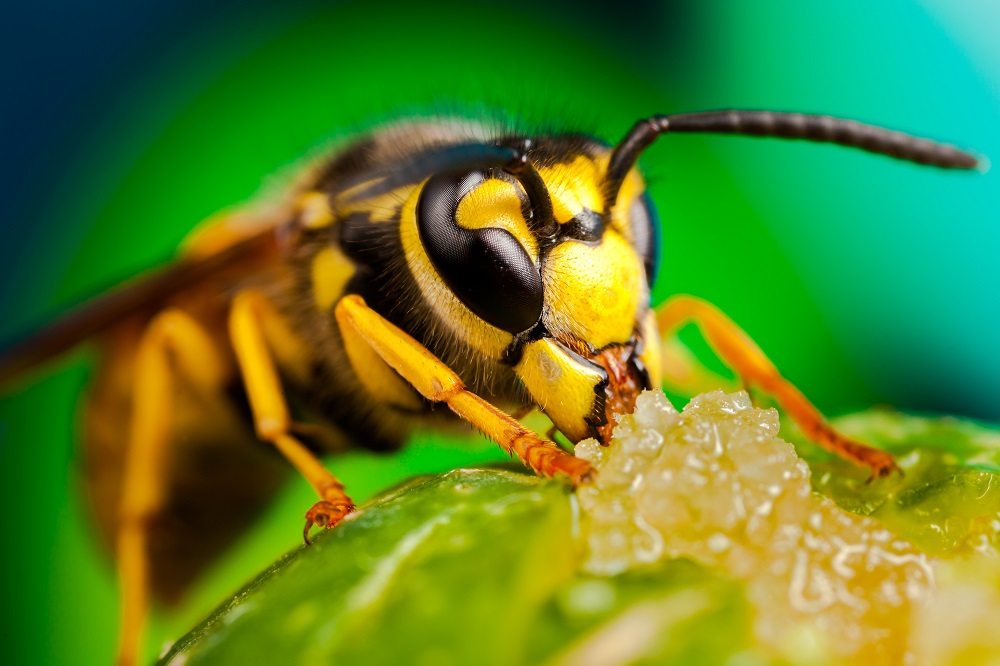
Paper wasps build exposed nests under eaves and outdoor structures and can sting repeatedly. Mud-dauber wasps are generally less aggressive.

Prevention tips

  • Inspect eaves and sheltered outdoor areas for developing nests.
  • Keep rubbish bins covered.
  • Avoid disturbing active nests.
  • Take care when gardening near frequent wasp activity.

If you find an active nest near a doorway, playground or outdoor seating area, avoid attempting removal yourself. Professional wasp control.

8. Bees – Why Safe Removal and Relocation Matter

Bees play an important role in pollination. Our preference, where safe and practical, is to remove and relocate honey bees rather than destroy them.

What to do if you discover bees

  • Keep children and pets away.
  • Avoid spraying the swarm with household insecticides.
  • Do not block the entrance to an established hive.
  • Avoid disturbing the bees or attempting removal yourself.
  • Contact an experienced bee removal professional.

Bee pest control and relocation services.

9. Earwigs – Small Insects Around Damp Areas

Earwigs prefer gardens, pots, mulch and damp sheltered areas. They sometimes enter homes through small gaps. They are generally not dangerous to people.

Prevention

  • Remove excessive leaf litter.
  • Reduce damp hiding places around external walls.
  • Repair leaking taps.
  • Keep garden beds maintained.
  • Seal suitable entry gaps.

10. Millipedes – Particularly Common During Wet Weather

Millipedes often gather around gardens, paving, external walls and doorways, especially in cooler, wetter periods. Large numbers can enter homes and garages.

How to reduce problems

  • Remove excessive leaf litter and decaying vegetation.
  • Improve drainage around the property.
  • Avoid unnecessary moisture near external walls.
  • Seal gaps underneath doors.
  • Keep garden beds and mulch appropriately maintained.

11. General Pest Prevention Tips for Perth Properties

These principles apply to most pest problems:

  • Maintain gardens — keep trees and shrubs trimmed (ideally at least 1 metre from external walls and more clearance around rooflines).
  • Control moisture — repair leaks and drainage issues.
  • Reduce clutter — organise garages, sheds and storerooms; store items on racks or shelving.
  • Manage food waste — keep bins closed, clean food areas and remove fallen fruit.
  • Inspect your property regularly for droppings, damaged packaging, mud tubes, nests, webs and possible entry points.
  • Arrange professional inspections when needed.

For restaurants and cafés, a documented pest management program with regular monitoring and record-keeping is especially important.

Professional Pest Control Across Perth – Yanchep to Mandurah

Every property and pest problem is different. A rat infestation in a roof cavity requires a different approach from German cockroaches in a commercial kitchen or termites affecting structural timber.

We focus on inspecting the property, identifying the pest and recommending a treatment suited to the situation. Our services include rodent control, termite inspections and treatments, cockroach control, spider treatments, ant control, flea treatments, wasp removal and bee relocation where practical.

We service Perth’s northern and southern suburbs, including Joondalup, Clarkson, Butler, Wanneroo, Balcatta, Morley, Perth CBD, Victoria Park, Canning Vale, Rockingham and surrounding areas. Same-day or next-day appointments may be available depending on scheduling.

Frequently Asked Questions

What are the most common pests in Perth?
Rats, mice, ants, cockroaches, spiders and termites are among the most common. Fleas, wasps, bees, earwigs and millipedes can also cause problems.

How often should pest control be done in Perth?
For many residential properties, preventative general pest treatments every six months work well. Commercial kitchens and high-risk premises often need more frequent monitoring. The right schedule depends on pest activity and property conditions.

Why do rats keep coming back to my roof?
Rats return when food sources, overhanging branches, accessible entry points and suitable nesting areas remain. Professional management should address these factors as well as the active infestation.

Can I prevent termites with a general pest spray?
No. General pest sprays are not a substitute for professional termite inspections or a suitable termite management system.

Do supermarket pest sprays work?
Some household products can provide temporary control of individual insects, but they often fail to address established colonies, hidden nesting areas or the conditions that cause repeated infestations.

Do you provide pest control for restaurants and cafés?
Yes. We provide pest management for residential and commercial properties, including cafés, restaurants, offices and other businesses.

Need Help With a Pest Problem in Perth?

If you’re hearing rats in the roof, finding ants in the kitchen, noticing cockroaches around appliances or discovering signs of termites, arrange an inspection before the problem gets worse.

Contact Enviro Pest Control Perth for professional pest inspections, prevention advice and customised treatment options. We service homes, rental properties, cafés, restaurants and commercial premises across Perth from Yanchep to Mandurah.

Call 0451 057 555 or visit www.enviropestcontrol.com.au

Enviro Pest Control Perth – Helping Perth homeowners and businesses manage pest problems with practical advice and professional treatment.

Categories
Professional Pest Control

How Pest Control Experts in Perth Handle Large Bee Infestations

Bee infestations can be a real concern for homeowners in Perth, especially when a colony grows large. While bees are crucial to our ecosystem, a large hive can pose risks to safety and property.

Perth’s warm climate and abundant flowers attract bees to areas with plenty of food and nesting spots. 

As colonies grow, increased bee activity around homes can lead to aggressive behavior, especially if the hive feels threatened.

Handling a large bee infestation requires professional expertise. Pest control experts in Perth are trained to locate and assess the nest, using safe, eco-friendly methods to address the issue. 

These professionals focus on removing the bees without harming them and ensuring the safety of homeowners, pets, and the environment. Knowing when to call a professional can prevent a small infestation from turning into a larger, more dangerous problem.

Understanding Bee Infestations

What are Bee Infestations?

A bee infestation occurs when a large number of bees form a colony in or around a property. Bees are social insects that live in organized colonies, with a queen, workers, and drones.

These colonies can grow rapidly, especially in the warmer months, and when they settle in urban areas, they often find spaces in walls, attics, or even tree hollows.

Bee nests are made from beeswax, and inside, the queen lays eggs while the workers collect nectar and pollen.

Differences Between Bee Species

In Perth, the most common types of bees are European honeybees and native Australian bees. European honeybees are known for their aggressive behavior when disturbed and are often attracted to man-made structures.

Native bees, on the other hand, tend to be gentler but can still form colonies in unusual places, especially in hollow trees or roof spaces.

Understanding the difference is important when it comes to removing or relocating the hive.

Why Bees Choose to Nest in Urban Areas

Urban environments offer abundant food sources, such as flowering plants, and safe spots for bees to build their nests.

Walls, attics, and roof spaces are ideal for bees because they provide shelter and protection from the elements.

Additionally, cities tend to have fewer natural predators for bees, making them safer to settle in these areas.

Identifying the Signs of a Bee Infestation

How to Recognize a Bee Colony

Recognizing a bee colony early can prevent the infestation from becoming a bigger problem. One of the most obvious signs of a bee colony is an increase in bee activity around a specific area.

You may notice a lot of bees flying in and out of a small hole in the wall or a tree. Another clue is the buzzing sound, which can be quite loud if the colony is large. Bees are usually active in the warmer months, so this is when you’re most likely to notice them.

If you spot a visible hive or nest, that’s a clear sign of a bee infestation. Bee nests are often made from beeswax and can be found in areas such as tree hollows, the spaces between walls, or even in the eaves of a roof.

When to Call a Professional

If you notice any of these signs, especially in large numbers, it’s important to consider calling a professional. A bee colony that’s growing rapidly could become dangerous.

Aggressive behavior is another indication that the colony may feel threatened and may pose a risk. Additionally, the size of the nest can give clues about the extent of the infestation.

If the nest is large or the bees are swarming, it’s time to seek help from a pest control expert to safely handle the situation.

The Risks of Large Bee Infestations

Health and Safety Concerns

One of the primary risks of a large bee infestation is the potential for stings, which can be especially dangerous for children and pets. Stings can cause pain, swelling, and, in severe cases, allergic reactions.

If a person or animal is allergic to bee stings, they could experience symptoms like difficulty breathing or swelling in the throat, which can be life-threatening. Even without an allergy, multiple stings from an upset colony can be painful and lead to serious health concerns.

Pets, especially dogs, may also unintentionally provoke bees by getting too close to a nest, putting them at risk for stings and potentially dangerous reactions.

Aggressive Bee Behavior When Disturbed

Bees are typically docile, but they can become aggressive when they feel their hive is threatened.

Large colonies are more likely to react aggressively if disturbed, particularly during the warmer months when they are most active.

If someone comes too close to the hive, or if it is inadvertently damaged, bees may swarm and attack.

This aggression increases the danger to anyone nearby, especially if the bees feel they need to defend their home from perceived threats.

Property Damage

Large bee infestations can also cause significant damage to property. Bee hives can weigh a lot, and the constant presence of bees can lead to structural problems.

For example, the moisture produced by the hive could seep into walls, causing them to weaken or decay over time. Hives that are located in roofs or walls may also create holes that lead to further damage, such as water leaks or compromised insulation.

In extreme cases, removal of the hive could involve significant repairs to the property, making professional intervention crucial for preventing costly damage..

How Pest Control Experts in Perth Handle Bee Infestations

Step 1: Professional Inspection

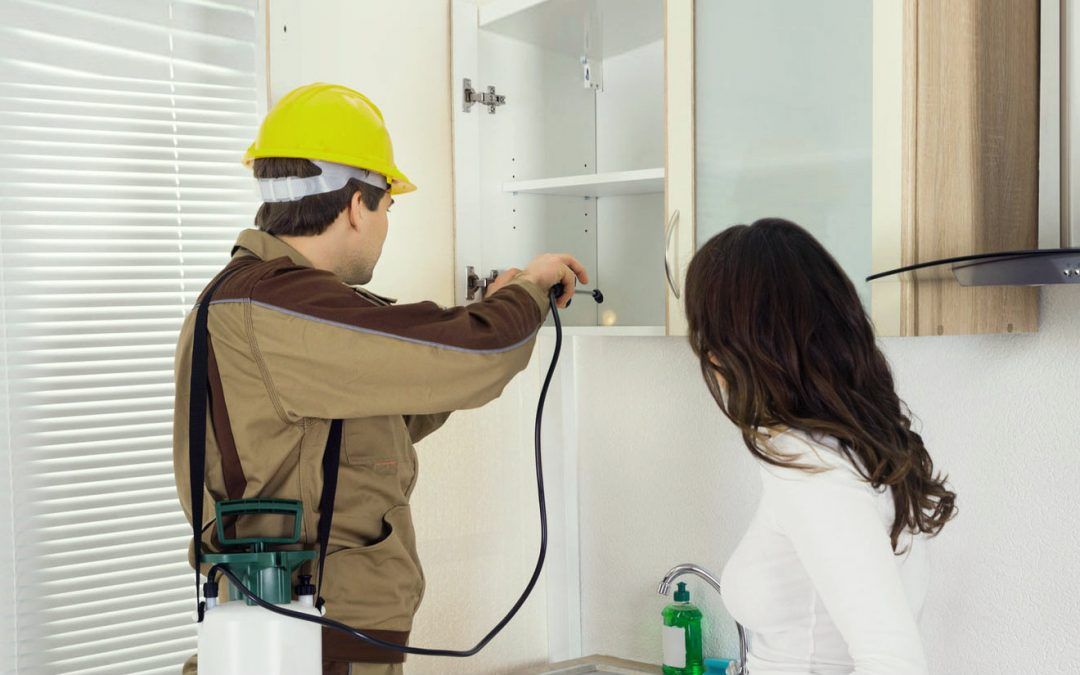
The first step in addressing a bee infestation is a thorough inspection. Pest control experts need to locate the nest to understand the scope of the problem. This is especially important if the bees have built their hive in hard-to-reach areas like inside walls, attics, or roof spaces.

Technicians use specialized tools like thermal imaging cameras and small inspection devices to find hidden colonies.

These tools help professionals pinpoint the hive’s exact location without causing unnecessary damage to your property. A careful inspection ensures that all the bees are identified, and the correct treatment plan can be implemented.

Step 2: Eco-Friendly and Safe Methods

Once the nest is located, pest control experts in Perth use eco-friendly and pet-safe methods to address the infestation. Relocation is often the preferred option if the bees can be safely moved.

This allows the colony to continue its role in pollination without harm. In cases where relocation isn’t possible, non-toxic pesticides may be used to manage the situation.

The goal is to control the infestation while minimizing any impact on the environment and preserving the local bee population.

Step 3: Removal and Relocation

When possible, pest control experts in Perth aim to relocate the bee colony rather than exterminating it. Relocation involves carefully capturing the bees and moving them to a suitable environment, often a location far from human habitation.

This method helps preserve the bees, which are essential for pollination and maintaining local ecosystems. Relocation is a much more sustainable solution than extermination, ensuring that the bees can continue their role in nature while keeping people safe.

With professional pest control Perth services, you can trust experts to handle bee infestations responsibly and effectively.

Step 4: Ongoing Monitoring and Prevention

After the bees have been removed, ongoing monitoring is crucial to ensure that the infestation doesn’t return. Pest control professionals will check the area for signs of re-infestation and take any necessary actions if new colonies attempt to settle.

Additionally, they will offer preventative measures, such as sealing cracks, holes, or other entry points where bees might nest in the future.

Bee-proofing your property by keeping potential nesting sites sealed and secure is an important step in reducing the likelihood of future infestations.

Why Choose a Professional Pest Control Service for Bee Infestations

Expertise and Experience

Pest control experts are trained and experienced in handling bee infestations of all sizes. They have a deep understanding of bee behavior, hive structures, and the best techniques for safely removing colonies.

With specialized knowledge, professionals can quickly assess the situation and determine the safest course of action, whether that’s relocation or controlled removal.

Their expertise ensures that the job is done efficiently and without unnecessary risks to people or property.

By choosing a professional service, you’re tapping into years of training and experience that help them manage even large or hard-to-reach bee colonies.

Safety and Efficiency

Handling a bee infestation on your own can be dangerous. Without the right tools and training, disturbing the hive can lead to aggressive bee behavior, increasing the risk of stings.

Professional pest control experts use the proper safety equipment and follow procedures to ensure that the removal process is done with minimal risk.

Their methods are not only safer but also more efficient. With their knowledge and equipment, they can quickly and safely remove the colony, reducing the chance of further damage to your property or harm to people and animals.

Local Expertise in Perth

Pest control professionals in Perth are well-versed in the local environment and the bee species commonly found in the area. This knowledge is crucial because bees in urban areas can behave differently than those in rural locations.

Local experts understand where bees are most likely to nest and how to deal with Perth-specific bee species, such as European honeybees or native bees.

Their familiarity with the local climate, flora, and common nesting sites allows them to provide a more effective and targeted approach, ensuring that your bee problem is solved as quickly and safely as possible.

Conclusion

Dealing with a large bee infestation requires more than just basic knowledge; it demands the expertise of professionals who understand bee behavior, safety protocols, and effective removal methods.

Whether it’s relocating a colony to preserve the environment or ensuring your property is free from potential damage, a professional pest control service provides the right tools and techniques to handle the situation safely and efficiently.

By choosing experts, you not only protect your family and pets from the risks of bee stings but also ensure that bees are handled in a way that maintains ecological balance.

If you’re facing a bee problem, don’t wait for the situation to worsen. Professional pest control experts can assess your infestation, provide safe removal, and help prevent future issues.

Contact your local pest control service today for a consultation or inspection and take the first step toward solving your bee infestation problem.

With the right help, you can rest easy knowing your home is safe and your bee population is being handled responsibly.

Categories
Professional Pest Control

What Are the Best Ways to Prevent Termite Damage in Perth Homes

How to Prevent Termite Damage in Perth Homes and Businesses

Termites are one of the pests Perth property owners should never ignore. Unlike ants, spiders or cockroaches, subterranean termites can remain hidden inside timber for months or even years while causing serious structural damage.

At Enviro Pest Control Perth, we regularly explain to homeowners that termite prevention does not begin when you discover damaged timber. It begins with how you maintain your property, manage moisture, store timber and arrange regular professional termite inspections.

Many homes across Perth have timber roof framing, skirting boards, door frames and other structural components that can be affected by termites. Even brick homes and properties built on concrete slabs are not automatically protected.

We’ve been providing pest control services across Perth for more than a decade, and one of the most important messages we give customers is simple: don’t wait until you see termites before thinking about termite protection.

Here are practical steps that can help reduce the risk of termite damage around your home, rental property or commercial building.

1. Remove Timber, Wood Piles and Unnecessary Clutter Around Your House

One of the first things homeowners should check is whether there is any timber lying directly on the ground around the property.

We often see old fence panels, leftover building materials, timber offcuts, wooden pallets and firewood stored against external walls or in backyards. These materials provide a ready food source for subterranean termites.

Termites feed on cellulose found in timber and other plant-based materials. When timber remains in contact with moist soil, it creates favourable conditions for termite activity.

What you should do:

  • Remove unwanted timber and construction offcuts
  • Avoid stacking firewood directly against external walls
  • Store necessary firewood above ground on suitable racks
  • Remove old wooden pallets and damaged fence materials
  • Keep garages, sheds and storage areas organised
  • Avoid leaving cardboard and timber materials underneath the house

Simply raising a timber pile off the ground is not a complete termite prevention measure. Keeping it away from the building and checking it regularly are also important.

2. Check Old Tree Stumps and Dead Trees Around Your Property

Tree stumps are another common risk we discuss with customers. Many Perth properties have old stumps left behind after trees have been cut down. Although the tree may no longer be alive, the stump and underground root system can remain in the soil for years and provide a suitable nesting or feeding site for subterranean termites.

Killing a tree does not automatically eliminate the risk of termites. Dead timber can still provide a food source. If you have an unwanted tree stump close to your house, consider professional stump removal or arrange an assessment if you suspect termite activity.

Where termites are already present, a licensed termite technician should determine whether colony treatment is necessary before the stump is disturbed. Never pour household chemicals, petrol or other substances into a stump in an attempt to kill termites.

3. Arrange Annual or Six-Monthly Termite Inspections

This is one of the most important recommendations we give Perth homeowners. Every property should have a professional termite inspection at least annually. Properties with higher risk (previous termite activity, significant moisture problems or other high-risk conditions) may benefit from six-monthly inspections.

A professional termite inspection is very different from a general pest spray. The technician examines accessible areas of the property for signs of termite activity, timber damage and conditions that increase the risk of infestation.

Areas that should be checked include:

  • Accessible roof cavities and timber framing
  • Internal walls, skirting boards and door frames
  • Garage and storage areas
  • External walls and foundations
  • Accessible subfloor areas
  • Garden beds and retaining walls
  • Timber fences and outdoor structures
  • Trees, stumps and stored timber
  • Existing termite management systems where accessible

An inspection may identify activity before major visible damage occurs. However, inspections are not a guarantee that termites are absent from every concealed part of a building. Keep your inspection reports and follow any maintenance or treatment recommendations.

4. Watch for Termite Mud Tubes Around Your Property

One of the clearest warning signs of subterranean termites is the presence of mud tubes (also called termite shelter tubes). These are narrow, mud-like structures that termites build to travel between their nest and a food source while maintaining suitable moisture conditions.

You may find them around brick foundations, concrete slab edges, external walls, plumbing penetrations, subfloor supports, timber structures and retaining walls. They often look like dried mud running along the surface.

What to do if you discover a mud tube:
Do not break it open, scrape it away or spray it with insecticide. Take a photograph if you can do so safely without disturbing the area and contact a professional termite inspector. Disturbing active termites can cause them to retreat or move to another concealed location, making further investigation and treatment more difficult.

5. Repair Leaking Taps, Pipes and Drainage Problems

Moisture is a critical factor in many subterranean termite problems. Termites need suitable moisture conditions to survive, and damp areas around buildings significantly increase the risk of activity.

Regularly check outdoor garden taps, hot water systems, air-conditioning drainage, bathroom and laundry plumbing, downpipes, gutters and reticulation systems. Make sure water drains away from the building rather than pooling against external walls. For homes with suspended timber floors, good subfloor ventilation is also important.

Fixing moisture problems is one of the simplest and most effective maintenance steps you can take to reduce conditions favourable to termites.

6. Keep Garden Beds and Mulch Away From Termite Inspection Zones

Gardens are an important part of many Perth homes, but landscaping can sometimes make termite inspections more difficult. Do not allow soil, mulch or garden beds to cover the visible edge of a concrete slab or obstruct weep holes. These areas are important for identifying concealed termite entry.

Good landscaping practices:

  • Keep garden beds below required inspection zones
  • Avoid covering weep holes with mulch or soil
  • Don’t stack pots and timber directly against walls
  • Maintain drainage around garden beds
  • Keep access available for future termite inspections
  • Avoid disturbing existing termite barriers when landscaping

If you are planning major landscaping, paving or garden renovations, check whether the work could affect an existing termite management system.

7. Understand That Termites Can Attack Brick and Concrete Homes

A common misunderstanding is that termites only affect houses built mainly from timber. This is not correct. Many Perth homes are constructed with brick walls and concrete slabs but still contain timber roof structures, door frames, skirting boards and other vulnerable materials.

Subterranean termites can enter through concealed gaps, construction joints, service penetrations and other accessible pathways. Once inside, they may reach timber components without being immediately noticed. This is why regular termite inspections are important for brick homes as well as timber-framed properties. Even a relatively new home can be at risk if termite management measures are damaged, poorly maintained or bypassed.

8. Don’t Rely on DIY Termite Treatments

When homeowners discover termites, their first reaction is often to buy an insect spray from a hardware store. Unfortunately, killing the termites you can see does not necessarily address the colony responsible for the infestation. Termite colonies may be located underground, inside trees or some distance away from the damaged timber. Incorrect treatment can disturb the termites and make further investigation more difficult.

A licensed termite technician can assess the species, activity, building construction and available treatment options. Depending on the circumstances, termite management may involve targeted treatment of active termites, termite baiting and monitoring systems, chemical soil treatments, termite management barriers, and follow-up inspections. There is no single treatment suitable for every building, and no termite management system can guarantee permanent protection without ongoing maintenance and inspection.

9. Consider Professional Termite Barriers and Management Systems

For some properties, a professional termite management system or termite barrier may be recommended to reduce the risk of concealed termite entry. Chemical soil treatments and other termite management systems are designed to manage termite access to buildings. They must be selected and installed according to the building conditions, applicable Australian Standards and product requirements.

At Enviro Pest Control Perth we assess the property before recommending a treatment. Factors such as construction type, surrounding paving, garden beds, drainage and previous termite activity influence the available options. A termite barrier is not a substitute for regular inspections. Even after treatment, homeowners should follow the inspection and maintenance schedule recommended for their property.

10. Termite Prevention for Landlords and Commercial Properties

Termite prevention is not only important for owner-occupiers. Landlords, property managers and commercial property owners should also arrange regular timber pest inspections and preventative maintenance. Rental properties may have timber fences, sheds, pergolas and roof structures that require attention. Commercial buildings can contain vulnerable timber materials, concealed spaces and landscaping that create favourable conditions for termites.

Keep a record of inspections, previous treatments and any maintenance recommendations. If tenants or employees report suspicious mud tubes, damaged timber or unusual changes around doors and skirting boards, arrange an inspection rather than waiting for the next scheduled visit.

11. Warning Signs of Termites Every Perth Property Owner Should Know

Termites can be difficult to detect without a professional inspection, but these signs are worth watching for:

  • Mud tubes – narrow mud-like tunnels running along walls, foundations or timber
  • Hollow or damaged timber – timber that sounds hollow or appears weakened
  • Damaged skirting boards – soft, distorted or visibly deteriorating timber
  • Discarded wings – groups of shed wings near windows, doors or light fittings (may indicate termite swarmers)
  • Changes around doors and windows – swelling or distortion (can also be caused by moisture)

Not every sign confirms termites, but each deserves further investigation by a professional.

12. How Enviro Pest Control Perth Can Help

At Enviro Pest Control Perth we provide professional termite inspections, termite treatment and preventative termite management advice for residential and commercial properties across Perth.

Our approach begins with understanding the property and identifying any evidence of termite activity. Where necessary, we recommend suitable treatment options and explain the maintenance steps that help reduce future risk. We also encourage practical precautions such as removing unnecessary timber, managing tree stumps, repairing leaks and maintaining accessible inspection zones.

We service Perth’s northern and southern suburbs including Joondalup, Clarkson, Butler, Wanneroo, Balcatta, Morley, Canning Vale, Rockingham and surrounding areas.

View our full termite treatment services

Frequently Asked Questions

How often should I get a termite inspection in Perth?
Annual inspections are generally recommended. Properties with higher termite risk (previous activity, moisture problems or other high-risk conditions) may benefit from six-monthly inspections or another schedule recommended by the inspector.

Can termites damage a brick house?
Yes. Even brick and concrete homes often contain timber roof framing, skirting boards, door frames and other materials that termites can attack.

Should I remove old tree stumps from my backyard?
Old stumps can provide suitable nesting or feeding sites for subterranean termites. Removal or professional assessment is often appropriate, especially when they are close to buildings.

Will killing a tree stump stop termites?
Not necessarily. Dead timber and roots can still attract termites. If termite activity is suspected, have the stump assessed by a licensed technician before disturbing it.

What should I do if I find termite mud tubes?
Avoid disturbing or spraying them. Take photographs if it is safe to do so and arrange a professional termite inspection as soon as possible.

Can a general pest spray prevent termites?
No. General pest sprays are not a replacement for professional termite inspections or a properly designed termite management system.

Do termite barriers last forever?
No termite management system provides permanent protection without ongoing maintenance and regular inspections. Barriers must be maintained and the property inspected according to the recommended schedule.

Protect Your Perth Property Before Termites Cause Expensive Damage

Termite prevention does not need to be complicated, but it does require ongoing attention. Keep your property tidy, remove unwanted timber, manage old tree stumps, repair moisture problems and arrange regular professional termite inspections. Most importantly, do not ignore suspicious mud tubes or damaged timber.

Enviro Pest Control Perth provides professional termite inspection, treatment and prevention services across Perth.

Call 0451 057 555 or visit www.enviropestcontrol.com.au
Book a termite inspection or treatment

Categories
Professional Pest Control

Most Effective Rodent Control Solutions in Perth

Categories
Professional Pest Control

What Are the Most Effective Rat Control Methods Used in Perth?

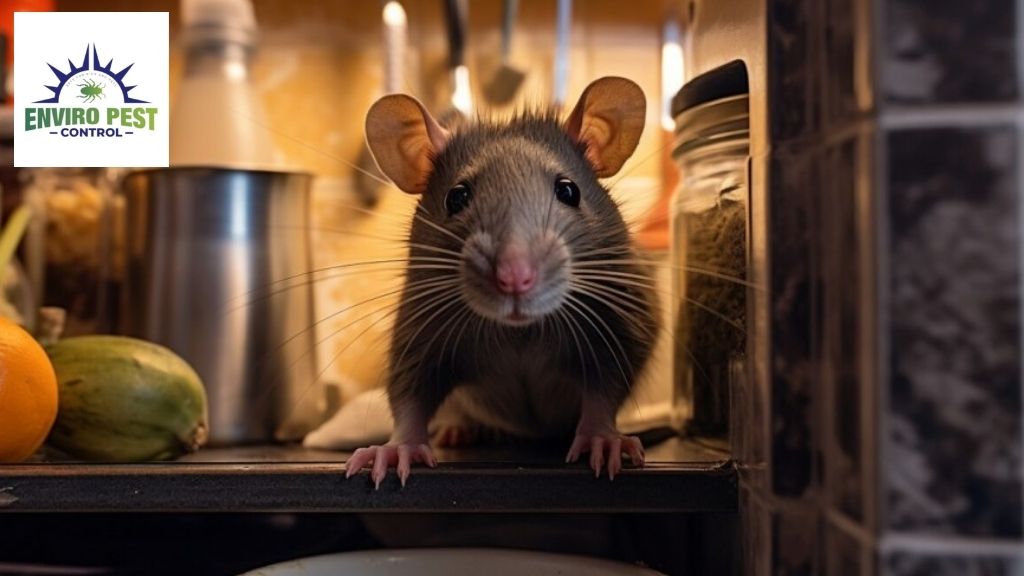
Rat infestations are a growing problem in Perth, affecting homes, businesses, and public spaces. These rodents can cause significant damage by chewing through electrical wires, wooden structures, and even plumbing, leading to costly repairs.

More importantly, rats are known carriers of diseases like Leptospirosis and Salmonella, which can spread through contaminated food, water, and surfaces.

Controlling rat populations is crucial to maintaining a safe and healthy environment. Without proper measures, infestations can quickly get out of hand, increasing health risks and structural damage.

This article explores the most effective rat control methods used in Perth, from preventive strategies to professional pest control solutions, helping residents and business owners keep their properties rat-free.

Understanding Rat Infestations in Perth

Rats are a major pest problem in Perth, causing damage to homes and businesses while spreading diseases. They thrive in urban and suburban environments, finding shelter in buildings, gardens, and drainage systems.

With access to food and water, rats reproduce quickly, making infestations difficult to control without proper intervention. Recognising the common species and signs of an infestation is crucial for effective rat control.

Common Rat Species in Perth

Black Rats (Rattus rattus)
Also known as roof rats, these rodents are excellent climbers and often nest in high areas like ceilings, attics, and trees. They have slender bodies, large ears, and long tails. Black rats are known for chewing through electrical wiring, which can create fire hazards.

Brown Rats (Rattus norvegicus)
Often called Norway rats, these rodents prefer ground-level areas and burrow underground. They are larger and stockier than black rats, with shorter tails and smaller ears.

Brown rats are commonly found in basements, sewers, and garbage storage areas, where they cause structural damage by digging extensive tunnels.

Signs of a Rat Infestation

Detecting a rat problem early is essential to prevent serious damage. Common signs of an infestation include:

  • Droppings – Small, dark pellets often found in cupboards, along walls, or near food sources.
  • Gnaw Marks – Rats chew on wood, plastic, and wires, leaving visible damage.
  • Grease Trails – Oily marks along walls and floorboards from rats’ fur rubbing against surfaces.
  • Scratching Noises – Sounds in walls, ceilings, or floors, especially at night when rats are most active.
  • Foul Odours – A strong, musky smell from rat urine and nesting areas.
  • Increased Outdoor Activity – Sightings in gardens, garages, or sheds, particularly around bins and compost heaps.

Identifying these signs early allows for prompt action to prevent a full-blown infestation.

Preventative Measures to Keep Rats Away

Keeping rats away from your home or business requires a proactive approach. By removing their access to food, shelter, and entry points, you can significantly reduce the chances of an infestation.

Below are some of the most effective ways to prevent rats from settling in your property.

Sealing Entry Points

Rats can squeeze through holes as small as a 10-cent coin. Common entry points include cracks in walls, gaps around doors, vents, and broken roof tiles.

To keep them out, it is important to use durable materials that rats cannot chew through. Steel wool or metal mesh is highly effective for blocking small openings, while caulking or cement can seal larger gaps.

Installing door sweeps and vent covers also helps prevent rats from sneaking inside through doors or air vents.

Proper Food Storage and Waste Management

Rats are constantly searching for food, and improper storage can attract them to homes and businesses. Storing food in airtight containers, especially those made of glass or metal, keeps it out of reach. Pet food should also be sealed properly and not left out overnight.

Managing household and commercial waste plays a crucial role in rodent prevention.

Using bins with secure lids and emptying them regularly prevents rats from scavenging. Cleaning up crumbs and spills immediately, particularly in kitchens and dining areas, reduces food sources that might attract rodents.

Eliminating Shelter and Nesting Sites

Rats need safe places to nest and hide, and cluttered spaces provide the perfect environment for them. Decluttering storage areas such as garages, basements, and attics removes potential hiding spots.

Keeping outdoor spaces tidy by trimming overgrown vegetation and removing piles of wood or debris also makes a property less appealing to rodents.

Regularly inspecting sheds, garages, and unused spaces for signs of nesting materials like shredded paper or fabric can help detect an infestation early.

Taking these preventative measures makes it much harder for rats to invade your property, helping you avoid costly infestations and the risks associated with rodent activity.

Natural and DIY Rat Control Methods

Many homeowners prefer natural and DIY methods to control rat problems before resorting to professional pest control. While these approaches can help reduce rat activity, they may not always be effective for severe infestations.

Using Natural Deterrents

Certain strong scents can discourage rats from nesting in homes. Peppermint oil, ammonia, and garlic spray are commonly used as natural repellents.

Peppermint oil is believed to overwhelm a rat’s sense of smell, making an area less appealing. Ammonia mimics the scent of predators, while garlic spray creates an unpleasant environment. However, these methods have limitations.

They need to be reapplied frequently and may only work as a temporary deterrent. Rats are intelligent creatures that can quickly adapt to smells, reducing the long-term effectiveness of these natural solutions.

Ultrasonic Rat Repellents: Do They Work?

Ultrasonic rat repellents claim to drive rats away by emitting high-frequency sound waves that are unpleasant to rodents but inaudible to humans. While some users report short-term success, scientific studies show mixed results.

Rats may initially avoid the area but can become accustomed to the noise over time. Additionally, the effectiveness of these devices depends on room layout and placement, as sound waves do not travel through walls or furniture.

Humane Traps and Relocation Methods

Live traps allow for the ethical removal of rats without killing them. These traps capture the rat, allowing homeowners to release it elsewhere. However, relocation comes with challenges.

Rats must be released far enough away—at least several kilometres—or they may find their way back.

Additionally, releasing rats into an unfamiliar environment lowers their chances of survival, making this method less practical for long-term control.

While natural and DIY methods can be useful for minor rat problems, they may not be enough to eliminate a full infestation.

Chemical and Professional Rat Control Solutions

rat control

For serious rat infestations, chemical solutions and professional pest control services provide the most effective results. While these methods can quickly reduce rat populations, they also come with safety considerations.

Rodenticides: Benefits and Risks

Rodenticides, or rat poisons, are widely used to control large infestations. These poisons work by interfering with blood clotting or affecting the nervous system, leading to the rat’s death.

They are available in different forms, including pellets, blocks, and liquid baits. While highly effective, rodenticides pose risks to pets, wildlife, and even humans if not used correctly.

Accidental ingestion can lead to serious poisoning, and dead rats may create foul odours if they die in hidden spaces. To reduce risks, rodenticides should be placed in tamper-proof bait stations and handled with caution.

Snap Traps vs. Electronic Traps

Snap traps and electronic traps are two popular mechanical methods for rat control. Snap traps are cost-effective, reusable, and provide an immediate kill.

However, they must be placed correctly to be effective. Electronic traps use a high-voltage shock to kill rats instantly and are considered more humane.

These traps are enclosed, making them safer for households with pets and children. While electronic traps are easier to clean and dispose of, they are more expensive than traditional snap traps.

Both options can be useful depending on the severity of the infestation and personal preference.

Baiting Strategies for Maximum Effectiveness

Baiting is one of the most effective ways to control rats, but proper placement is essential.

Rats are cautious and may avoid new objects in their environment, so bait stations should be placed along their usual paths. Peanut butter, dried fruit, or meat-based baits work well to attract them.

Professional pest control services often use secured bait stations, ensuring that poisons are safely contained and only accessible to rodents. This method reduces the risk of accidental exposure to pets and other animals.

Professional Pest Control Services in Perth

If DIY methods fail or the infestation is severe, professional pest control is the best solution. Experts have access to commercial-grade treatments and advanced techniques that ensure complete rodent removal.

A professional service typically includes a thorough inspection, identification of entry points, and a customised treatment plan.

Many pest control companies in Perth also offer eco-friendly and pet-safe solutions. Hiring professionals provides long-term benefits, as they not only eliminate existing rats but also help prevent future infestations by sealing entry points and advising on preventive measures.

Long-Term Rat Prevention Strategies

Preventing rats from returning requires a proactive approach. Regular inspections, proper maintenance, and community-wide efforts help keep properties rodent-free.

Routine Property Inspections

Regular property inspections are key to preventing rat infestations. Small gaps in walls, roofs, and floors can serve as entry points, so checking for cracks, holes, or loose vents is essential.

Signs like gnaw marks, droppings, or greasy rub marks along walls indicate rodent activity. Homeowners and businesses should also monitor for nests in storage areas, sheds, and attics.

Addressing potential entry points early can stop rats before they establish a colony, saving time and money in the long run.

Community-Wide Rodent Control Efforts

Since rats can travel between properties, community-wide pest control efforts are crucial. In urban areas, one neglected property can create a breeding ground for rodents, affecting the entire neighbourhood.

Proper waste management, securing bins, and reporting infestations can help reduce rodent numbers.

Local Government and Community Initiatives in Perth

Perth’s local councils run rodent control programs to manage rat populations. These initiatives may include public awareness campaigns, pest control assistance, and waste management regulations.

Residents can also participate in neighbourhood clean-ups and follow council guidelines for proper rubbish disposal. By working together, communities can create a healthier, rodent-free environment.

Conclusion

Rat control is crucial for protecting homes and businesses in Perth from disease, property damage, and contamination. Preventative measures like sealing entry points, managing waste, and regular inspections help keep rats away.

While DIY traps and rodenticides can provide short-term relief, professional pest control Perth services offer the most effective and long-lasting solutions. Their expertise ensures safe and thorough removal.

Keeping a property rat-free requires ongoing effort and community cooperation.

By staying proactive and addressing infestations early, homeowners can maintain a healthier environment.

If rats become a persistent problem, seeking help from a trusted pest control Perth service is the best solution.

Call Now Button